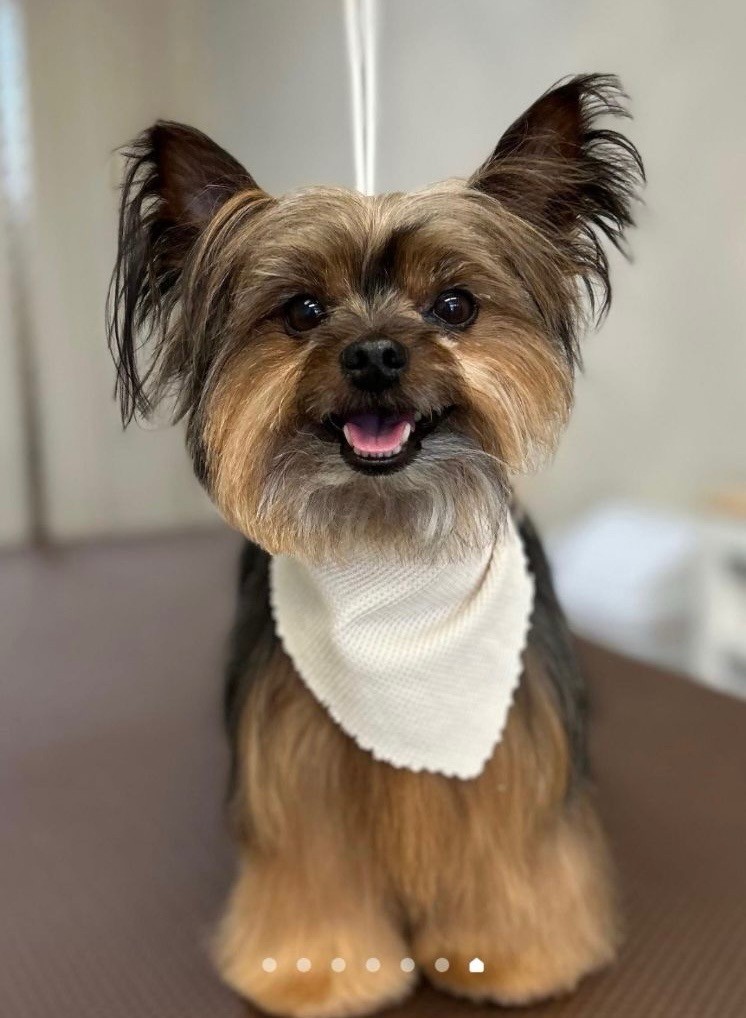
Keep Your Furry Family Safe: Thanksgiving Foods That Can Harm Your Pets
Thanksgiving is a time for gratitude, family gatherings, and of course, an incredible feast. As we gather around the table with our loved ones, it's natural to want to include our four-legged family members in the celebration. Those pleading eyes are hard to resist! However, many of the delicious dishes that make our Thanksgiving special can actually pose serious health risks to your dogs and cats.
At FetchNShop.com, your pet's happy place, we want to make sure your holidays stay joyful and stress-free. That's why we've put together this essential guide to Thanksgiving foods that should never make it into your pet's bowl—and what to do if they accidentally get into the feast.
The Hidden Dangers on Your Thanksgiving Table
Turkey Bones and Skin: A Recipe for Emergency
While turkey is the star of the show, not all parts are safe for pets. Turkey bones become brittle after cooking and can easily splinter, creating a choking hazard or causing serious internal injuries like intestinal blockages or punctures. Even small bones pose a significant risk.
Turkey skin, while tempting, is incredibly fatty and can trigger pancreatitis—a painful and potentially life-threatening inflammation of the pancreas. Veterinary hospitals across the country report a dramatic spike in pancreatitis cases right after Thanksgiving, with mortality rates as high as 27-58% in dogs. No one wants to spend the holiday weekend in the emergency vet clinic.
Safe alternative: If you want to share turkey with your pet, offer a small amount of plain, skinless white turkey meat with absolutely no seasoning or bones.
Stuffing and Casseroles: Hidden Toxins
That savory stuffing and those delicious casseroles often contain ingredients that are toxic to both dogs and cats: onions, garlic, and chives. These common seasonings can cause hemolytic anemia, a serious condition where red blood cells burst and rupture. Cats are particularly susceptible to this toxicity, though dogs are also at risk.
Even in small amounts, these ingredients can cause gastrointestinal upset, and repeated exposure can lead to severe health complications.
Grapes and Raisins: Small But Deadly
Whether in a fruit salad, relish, or dessert, grapes and raisins pose a severe risk to your pets. Recent research points to tartaric acid as the culprit behind their toxicity, which can cause kidney damage and gastrointestinal upset.
The scary part? Not every pet reacts the same way, and there's no way to predict which animals will be affected. Even one grape or raisin per 10 pounds of body weight has the potential to cause harm, so it's best to keep these completely away from your furry friends.
Desserts and Sweet Treats: Multiple Dangers
Many Thanksgiving desserts contain ingredients that are extremely dangerous for pets:
Chocolate contains theobromine and caffeine, both toxic to dogs and cats. The darker the chocolate, the more dangerous it becomes. Baking chocolate is the most hazardous, while white chocolate has the lowest levels—but no amount is truly safe.
Xylitol (also called "birch sugar") is an artificial sweetener found in sugar-free pies, cookies, and some peanut butter. This ingredient is highly toxic to pets and can cause blood sugar to drop rapidly, leading to seizures, liver failure, and even death.
Macadamia nuts are another hidden danger in holiday baking, causing weakness, vomiting, tremors, and hyperthermia in dogs.
Raw Dough: An Unexpected Threat
If you're baking fresh rolls or pies, keep your pets away from raw dough. The live yeast ferments sugars in a pet's warm stomach, producing ethanol alcohol. This can lead to alcohol poisoning, even though your pet hasn't consumed any actual alcoholic beverages.
Alcoholic Beverages: No Sips for Pets
Speaking of alcohol, even a small amount can be dangerous for pets. Dogs and cats absorb alcohol much more rapidly than humans, and it affects them far more severely. Ingestion can lead to vomiting, difficulty breathing, tremors, seizures, and in severe cases, death. Keep all cocktails, wine, and beer well out of paw's reach.
Other Foods to Avoid
Fatty foods and rich gravies can trigger pancreatitis, just like turkey skin.
Excessive salt from seasoned dishes can lead to sodium ion poisoning.
Mac and cheese, while not toxic, is loaded with dairy products that can cause problems for lactose-intolerant pets and is too rich for most dogs and cats.
Prevention Tips for a Safe Holiday
Keeping your pets safe during Thanksgiving doesn't mean they have to feel left out. Here are some practical tips:
Create a pet-free kitchen zone during meal preparation. Use baby gates to keep curious noses away from dropped ingredients and tempting smells.
Educate your guests, especially children, about which foods are dangerous. Ask everyone not to slip treats to your pets under the table, no matter how much begging occurs.
Clear counters and tables when you're not supervising. Many pets are expert counter surfers and will take advantage of unattended plates.
Secure your trash bins with locking lids. What looks like garbage to you can smell like a feast to your pet. Turkey bones, plastic wrap, and food scraps can all pose serious risks.
Pack away leftovers quickly to keep curious pets from helping themselves when you're not looking.
Pet-Safe Thanksgiving Treats
Your pets can absolutely join in the celebration with these safe options:
- Plain, cooked white turkey meat (no skin, bones, or seasoning)
- Unseasoned green beans
- Plain pumpkin puree (not pie filling)
- Cooked sweet potato (plain, no marshmallows or butter)
- Small amounts of plain carrots
What to Do If Your Pet Eats Something Dangerous
If your pet ingests any potentially toxic food, contact your veterinarian immediately. Time is critical in many poisoning cases. Keep your vet's emergency number handy throughout the holiday weekend, as many practices have different hours during Thanksgiving.
Signs that your pet may have eaten something harmful include:
- Vomiting or diarrhea
- Loss of appetite
- Lethargy or weakness
- Tremors or seizures
- Difficulty breathing
- Excessive drooling
Celebrate Safely This Thanksgiving
The best way to avoid a veterinary emergency during the holidays is to stick to your pet's normal diet. While it's tempting to share the feast with your furry family members, their health and safety should always come first.
At FetchNShop.com, we offer a wide selection of pet-safe treats and nutritious food options that will keep your pets happy and healthy throughout the holiday season. From affordable everyday essentials to premium gourmet treats, we have everything you need to make sure your pet feels included in the celebration—safely.
Visit us at www.fetchnshop.com to stock up on pet-safe treats before the holiday rush. Because when it comes to your pet's wellbeing, we believe every day should be a reason for gratitude.
Happy Thanksgiving from all of us at FetchNShop.com—Your Pet's Happy Place!
Disclaimer: This blog is for informational purposes only and is not a substitute for professional veterinary advice. If you suspect your pet has ingested a toxic substance, contact your veterinarian or pet poison control immediately.
